The D2C Brands Going Offline - And What It Means for Digital-First Brand Building
5 minutes
For years, "direct-to-consumer" was basically code for "online only." The D2C playbook was simple: skip the middlemen, sell on your website and a few marketplaces, use Meta and Google to drive traffic, win on price or product.
That playbook is officially getting more complicated.
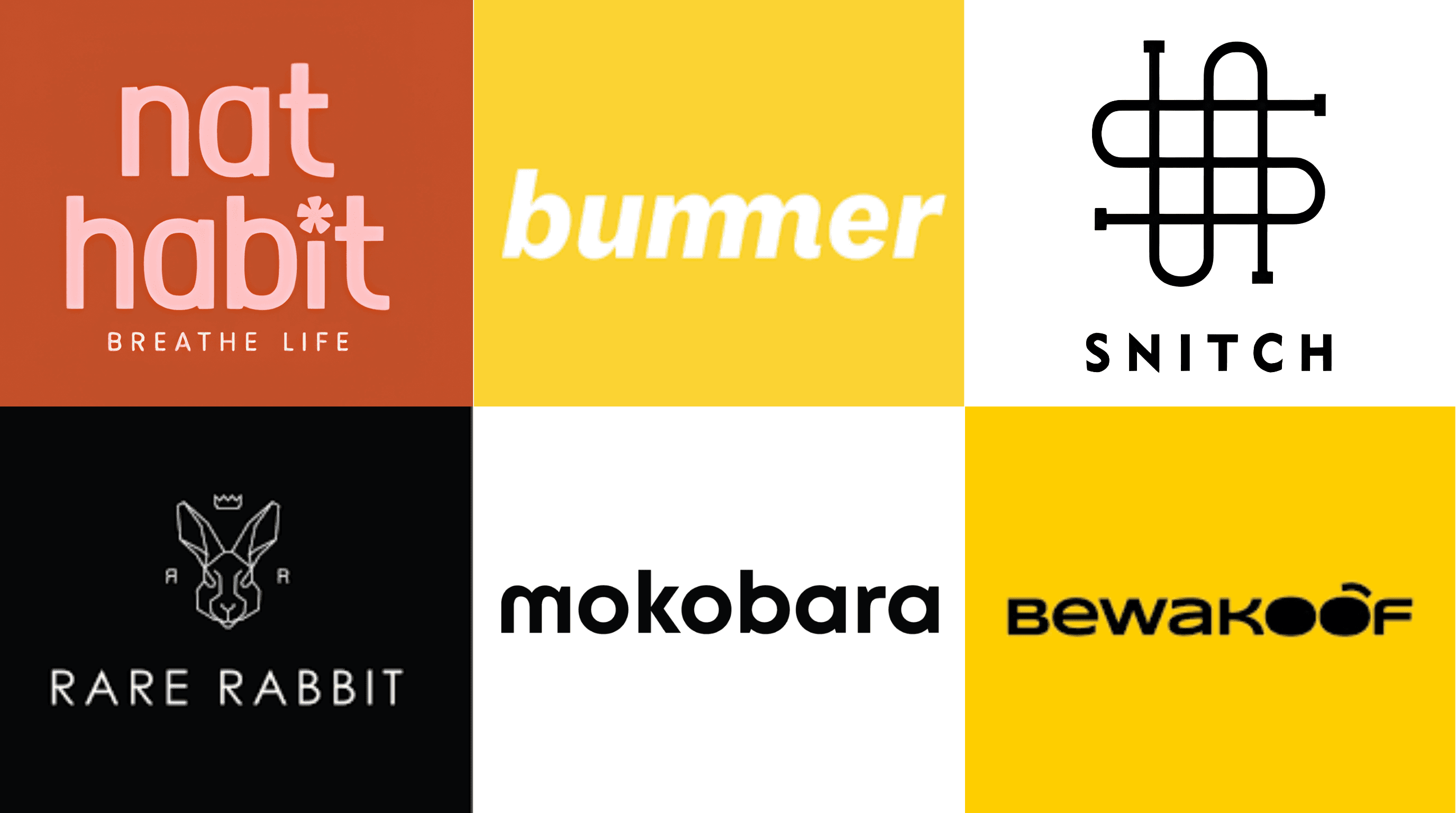
In the first half of 2025 alone, D2C brands leased 595,000 square feet of retail space across India's shopping centres and high streets. Digital-first brands now account for a fifth of all retail space leased in the country. Mokobara, Snitch, Rare Rabbit, Bummer, Nat Habit, Bewakoof, brands that built their names entirely online are now aggressively planting flags in physical retail.
This isn't a retreat from the digital-first model. It's an evolution of it. And understanding why it's happening tells you something important about where brand building is heading in India.

Why the Pure-Play Online Model Has a Ceiling
Let's be honest about something the D2C industry has been slow to admit: for most brands, "D2C" was never truly direct. Boat, one of India's most famous D2C success stories, generated just 2% of its sales from its own website when it filed for its IPO. The rest came from Amazon, Flipkart, and a distributor network supplying 23,000 retail stores.
That's not a criticism of Boat, it's a description of market reality. India has 700 million internet users and over a billion people. The majority of them still prefer to touch, try, and experience a product before they buy. And for most categories, fashion, beauty, personal care, luggage, footwear, the trial moment is enormously powerful.
The brands that have spent years building online awareness are now realising that offline is the most efficient way to capture the bottom of the funnel. A customer who's seen your brand 20 times on Instagram and then walks past your store and picks up the product is a customer who converts on the spot.
The store isn't replacing the digital presence. The digital presence built the awareness; the store is where it converts.
What the Data on D2C Offline Expansion Says
The move offline isn't just anecdotal. The numbers tell a clear story about where India's best D2C brands are putting their next phase of growth:
Nat Habit went from a few hundred stores to 10,000+ stores alongside its rebrand in late 2025. The rebrand and the offline expansion weren't two separate decisions, they were the same decision: to build a brand that could command attention and trust in physical retail, not just on a screen.
The luggage brand Mokobara, built almost entirely through Instagram and a carefully curated digital aesthetic, now has flagship stores in major metros, because once you've built sufficient brand desire online, a beautiful physical store becomes the highest-converting channel you have.
The Korean beauty brand Etude entered India through Kindlife's retail partnership precisely because the awareness and trust had already been built online; offline was the distribution play, not the brand-building play.
The sequence matters enormously. The D2C brands getting offline expansion right all followed the same order: build brand online first, go offline once the demand is proven.
What "Going Offline" Actually Requires From a Brand
Here's where things get interesting for brand and marketing teams. Going offline isn't just a real estate and logistics decision. It's a brand coherence test.
Online, your brand lives on screens, Instagram, your website, ad creative, email. You control every pixel. Offline, your brand lives in physical space, shelving, packaging, point-of-sale displays, how staff represent the brand, the sensory experience of walking into a store.
These are completely different challenges, and brands that nail their digital identity often discover significant gaps when they translate to physical:
Packaging that works on a screen doesn't always work on a shelf. Digital-optimised packaging tends to use high contrast and bold text that reads well on mobile. On a shelf competing with 40 other products, different rules apply, colour blocking, shelf navigation, standout from 3 feet away.
Nat Habit addressed this explicitly in their rebrand, designing a new palette specifically to stand out on-shelf in a category dominated by green-brown tones, and tying colours to product benefits so shoppers can navigate quickly.
Brand story needs to translate without a caption. Online, you have a caption, a Reel, a Story, a link. In-store, you have the packaging and maybe a small display. The brand's core promise has to be legible in seconds without any supporting context.
Staff experience is brand experience. For brands with their own stores, the person behind the counter is a brand touchpoint. Most D2C brands have no experience building this kind of culture, they're used to managing pixels, not people representing the brand in real-time.
Consistency across touchpoints is non-negotiable. This is the big one. An inconsistent brand is actively harmful. Your Instagram, your website, your packaging, your store signage, your marketplace listings, they all need to feel like the same brand. As soon as they diverge, trust erodes.
The Brands That Are Getting This Right
A few patterns from the D2C brands executing offline expansion well:
They treated the offline experience as a marketing asset, not just a sales channel. The most successful D2C offline plays are experiential, designed to generate content, conversation, and community, not just transaction. The store as a content studio and community hub is a more compelling model than the store as a point of sale.
They used digital to drive offline traffic before opening. Launch moments for physical stores are now coordinated campaigns: creator content, targeted local social ads, WhatsApp broadcasts to existing customers in the city. The store opens with a queue, not with hope.
They didn't try to stock everything. Curated offline ranges, the top SKUs that best represent the brand's promise, rather than the full catalogue. This makes visual merchandising cleaner and makes the brand's positioning clearer to a first-time physical customer.
They chose locations for brand fit, not just footfall. The mall you're in is a brand signal. A premium lifestyle mall communicates something different from a mass market one. The best D2C offline plays are extremely deliberate about where they show up first, because that location tells the customer something about who the brand is for.
What This Means If You're Building a D2C Brand in 2025
The D2C offline expansion wave is relevant for every brand, regardless of whether you're thinking about stores right now.
If you're early-stage, it means building your brand with eventual offline coherence in mind. Make design decisions that will translate to physical packaging. Write brand guidelines that cover experiences, not just screens. Think about your brand in space, not just in pixels.
If you're at meaningful scale, it means asking whether offline is the most efficient next channel for your growth stage, and being honest about whether your brand is ready to show up consistently in physical retail.
The brands that will win the next phase of India's D2C story are the ones that understand brand building is not channel-specific. It's a set of principles, clarity, consistency, trust, genuine differentiation, that has to hold up anywhere a customer might encounter you.
Online or offline, in a reel or on a shelf, the question is always the same: does this feel like the same brand?
If the answer is yes, you're building something that compounds. If the answer is anything else, you've got work to do.
At Pgeerated, we build brands that hold up everywhere, from digital identity and web presence to the strategic foundations that make offline expansion coherent rather than chaotic.
Book your free audit call → https://forms.gle/g8bdErfSj4yVocEu9
We'll map your current funnel, identify your biggest conversion gaps, and give you a clear picture of where to focus first.


